Intermittent Fasting and the Metabolic Switch: Science-Based Guide
Learn how intermittent fasting flips your body from burning glucose to burning fat. Covers the metabolic switch, autophagy, ketones, and how to find the right fasting window for your body.
Summary
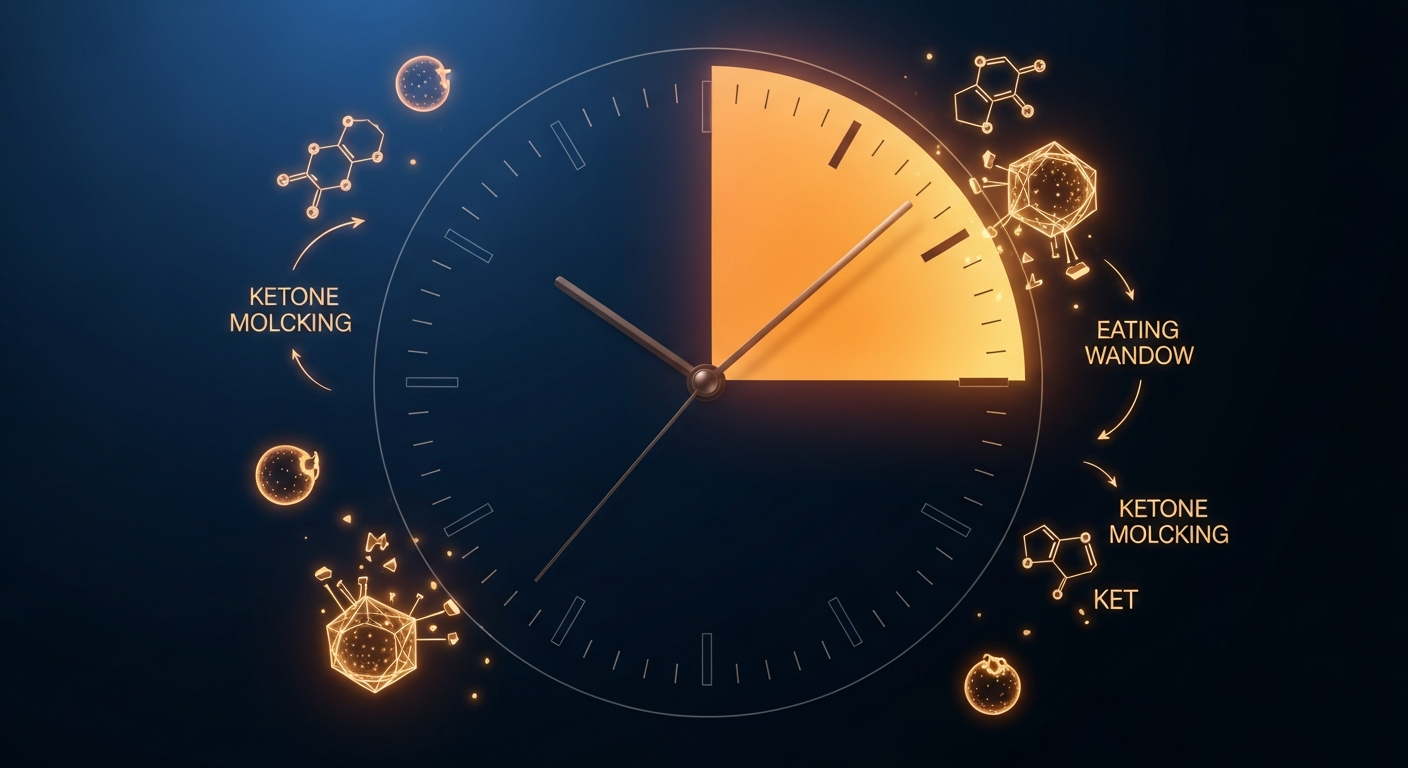
Intermittent fasting (IF) works not simply by reducing calories but by triggering a fundamental shift in metabolic fuel — from glucose to fat-derived ketones. This shift, called the metabolic switch, occurs after glycogen stores are depleted and activates a cascade of beneficial processes: fat oxidation, ketone production, autophagy (cellular cleanup), and improved insulin sensitivity. Research from the New England Journal of Medicine (Mattson et al., 2019) describes this as one of the most impactful metabolic interventions available. This guide explains the biology, the evidence, the right protocols, and how to apply IF safely based on your health profile.
What Is the Metabolic Switch?
Your body has two primary fuel systems:
1. The glucose system (glycolytic): When carbohydrates are available, cells preferentially burn glucose for energy. The liver stores approximately 100 grams of glucose as glycogen; skeletal muscle stores another 400–500 grams. Together, this represents roughly 1,600–2,400 calories of readily available glucose fuel.
2. The fat-burning system (lipolytic/ketogenic): When glucose and glycogen are depleted, the body shifts to mobilizing stored fat. Free fatty acids are released from adipose tissue and transported to the liver, where they are converted into ketone bodies — beta-hydroxybutyrate (BHB), acetoacetate, and acetone — which serve as an alternative fuel for the brain, heart, and muscles.
The metabolic switch is the transition between these two states. In a landmark 2018 paper in Cell Metabolism, Mattson et al. described this switch as occurring when liver glycogen is sufficiently depleted and circulating BHB rises above 0.2–0.5 mmol/L. For most people on a standard diet, this occurs after 12–16 hours without caloric intake.
The critical insight is that the metabolic switch is all-or-nothing: your body does not gradually shift to fat burning while still refueling with carbohydrates between meals. Frequent eating — the traditional "three meals plus snacks" pattern — keeps glycogen perpetually topped up, preventing the switch from ever flipping.
The Science: What Happens Hour by Hour
0–4 hours post-meal: Blood glucose peaks, insulin surges, fat storage is promoted. Adipose tissue lipolysis is suppressed by high insulin. This is the fed state.
4–12 hours: Blood glucose and insulin decline. Glycogen is gradually mobilized for energy. Fat oxidation begins to increase modestly. Late in this window, ketone production may begin at a low level.
12–16 hours: Liver glycogen stores approach depletion. Fat oxidation accelerates. BHB rises into the 0.2–0.5 mmol/L range. The metabolic switch is engaged. Autophagy begins to upregulate (Levine & Kroemer, 2008, Cell).
16–24 hours: BHB reaches 0.5–1.0 mmol/L in nutritional ketosis. Fat provides the primary fuel for the brain and muscles. Growth hormone secretion increases — a study in the Journal of Clinical Endocrinology & Metabolism (Ho et al., 1988) demonstrated a 5-fold increase in growth hormone pulsatility during a 2-day fast. Autophagy is significantly upregulated.
24–48 hours: Sustained nutritional ketosis. BHB may reach 1–3 mmol/L. Maximum autophagy activation. Inflammatory markers decrease. Regenerative processes accelerate.
Most intermittent fasting protocols target the 12–16 hour window — long enough to reliably engage the metabolic switch without the complexity of multi-day fasting.
Autophagy: Your Body's Cellular Cleanup System
Autophagy (from Greek: auto = self, phagy = eating) is the process by which cells break down and recycle damaged proteins, dysfunctional organelles, and intracellular pathogens. Yoshinori Ohsumi was awarded the 2016 Nobel Prize in Physiology or Medicine for discovering the molecular mechanisms of autophagy.
Autophagy is regulated primarily by two nutrient-sensing pathways:
- mTOR (mechanistic target of rapamycin): Active when nutrients (particularly protein and glucose) are abundant. mTOR suppresses autophagy. Eating — especially protein and carbohydrates — activates mTOR and turns autophagy off.
- AMPK (AMP-activated protein kinase): Active when cellular energy is low (during fasting or exercise). AMPK activates autophagy and fatty acid oxidation.
Fasting is the most powerful known activator of autophagy in humans. A key 2016 study in Nature Communications (Alirezaei et al.) demonstrated that a 24-hour fast induced a dramatic increase in neuronal autophagy in mice, with implications for protection against neurodegenerative disease.
Mitophagy — a specialized form of autophagy targeting damaged mitochondria — is particularly relevant to metabolic health. Accumulation of damaged, inefficient mitochondria is associated with insulin resistance, inflammation, and cellular aging. Fasting-induced mitophagy clears these damaged mitochondria, allowing replacement with healthy ones through mitochondrial biogenesis.
Regular brief vigorous exercise, particularly movements that induce significant oxygen demand, synergizes with fasting to trigger mitophagy — explaining why combining IF with intense micro-movements produces metabolic benefits beyond either intervention alone.
Ketones: More Than Just Fuel
Beta-hydroxybutyrate (BHB), the primary ketone body produced during fasting, is not merely an alternative fuel. Research has revealed it functions as a signaling molecule with broad biological effects.
Neuroprotection
BHB provides approximately 70% of the brain's energy during prolonged fasting — glucose normally provides 100%. Importantly, BHB is a cleaner-burning fuel than glucose, producing fewer reactive oxygen species per unit of ATP generated.
A 2016 study in Neurobiology of Disease (Kashiwaya et al.) demonstrated that BHB supplementation reduced neuroinflammation and improved cognitive function in animal models of neurodegeneration. Human studies in mild cognitive impairment (Henderson et al., 2009, Neurotherapeutics) showed significant improvements in memory function with ketogenic interventions.
Epigenetic Effects
BHB acts as an endogenous histone deacetylase (HDAC) inhibitor. By inhibiting HDACs, BHB alters gene expression in ways that reduce oxidative stress and inflammation. A 2013 study in Science (Shimazu et al.) demonstrated that BHB inhibits class I HDACs, activating genes that protect against oxidative damage.
Anti-inflammatory Effects
BHB suppresses the NLRP3 inflammasome — a key driver of inflammatory cytokine production. A 2015 study in Nature Medicine (Youm et al.) showed that BHB directly inhibited NLRP3-mediated production of IL-1β and IL-18, the same inflammatory cytokines elevated by visceral fat.
Choosing Your Fasting Protocol
12:12 (Beginner)
- Protocol: 12 hours fasting, 12 hours eating window
- Example: Last meal at 8 PM, first meal at 8 AM
- Who it suits: Beginners, people with diabetes, kidney disease, or those on blood glucose-lowering medications (requires medical supervision)
- Evidence: A 2019 study in Cell Metabolism (Wilkinson et al.) showed that restricting eating to a 10–12 hour window (without calorie counting) reduced weight, blood pressure, and cholesterol in metabolic syndrome patients over 12 weeks
14:10 (Intermediate)
- Protocol: 14 hours fasting, 10 hours eating window
- Example: Last meal at 7 PM, first meal at 9 AM
- Who it suits: Most healthy adults, ideal starting point for metabolic improvement
- Evidence: This window reliably engages the metabolic switch and produces measurable improvements in fasting insulin and triglycerides within 4–8 weeks
16:8 (Standard)
- Protocol: 16 hours fasting, 8 hours eating window
- Example: Last meal at 6 PM, first meal at 10 AM
- Who it suits: Metabolically healthy adults seeking significant fat loss and longevity benefits
- Evidence: The most studied IF protocol. A systematic review in Obesity Reviews (Harris et al., 2019) of 11 RCTs found that 16:8 significantly reduced body weight, waist circumference, blood pressure, fasting glucose, and insulin resistance markers
5:2 (Alternate Approach)
- Protocol: Normal eating 5 days per week, 500 calories (women) or 600 calories (men) on 2 non-consecutive days
- Evidence: A 2011 International Journal of Obesity study (Harvie et al.) comparing 5:2 to continuous caloric restriction found similar weight loss, but superior improvements in insulin sensitivity and IGF-1 levels with the 5:2 approach
Medical Considerations and Contraindications
Intermittent fasting is not appropriate for everyone without modification:
Requires physician supervision or modified approach:
- Type 1 diabetes or insulin-dependent type 2 diabetes: Risk of hypoglycemia during fasting. Medication timing must be adjusted. A 12:12 protocol under careful medical monitoring may be appropriate.
- Dialysis or advanced kidney disease: Protein intake timing matters; extended fasting may not be appropriate.
- Eating disorder history: Any restrictive eating protocol requires careful evaluation.
- Pregnancy and breastfeeding: Not recommended.
- Underweight individuals (BMI below 18.5): Not appropriate for weight loss; may worsen nutritional status.
Requires shorter fasting windows:
- Gout: Extended fasting increases uric acid production. 12:12 or 14:10 is more appropriate than 16:8.
- Sleep apnea: Eating timing and meal composition should be considered alongside sleep interventions.
- Thyroid disease: Hypothyroidism slows gastric motility; fasting windows may need adjustment. Medication should be taken on an empty stomach at a consistent time.
Generally safe without modification:
- Hypertension: IF consistently reduces blood pressure in clinical trials
- High cholesterol: Improves lipid profiles including LDL, ApoB, and triglycerides
- Pre-diabetes: One of the most evidence-supported interventions for insulin resistance reversal
How to Break Your Fast Correctly
The composition of your first meal after fasting matters. Breaking a fast with high-glycemic carbohydrates causes a rapid glucose spike that generates significant oxidative stress and activates inflammation — partially negating the metabolic benefits of fasting.
Optimal first meal composition:
- Start with protein (eggs, Greek yogurt, fish) — protein stimulates glucagon-like peptide-1 (GLP-1) and slows gastric emptying
- Include healthy fats (avocado, olive oil, nuts) — blunts the glucose response
- Fiber first if eating carbohydrates — psyllium husk or vegetables before starches significantly reduces glucose spikes
- Avoid refined carbohydrates, fruit juice, and sugar in your first meal
Beet juice, black coffee, green tea, and water with Celtic salt are appropriate during the fasting window (they do not meaningfully activate mTOR or suppress autophagy) and may enhance the fat-burning benefits of the fast.
Practical Strategies for Getting Started
- Phase in gradually: If you currently eat breakfast immediately upon waking, shift your first meal 30 minutes later each week until you reach your target window.
- Stay hydrated: Drink water, black coffee, and unsweetened green tea during the fasting window. Electrolytes (sodium, potassium, magnesium) become more important with longer fasting.
- Time your eating window consistently: Circadian rhythm evidence suggests an earlier eating window (e.g., 8 AM–6 PM rather than noon–8 PM) produces superior metabolic outcomes (Sutton et al., 2018, Cell Metabolism).
- Don't break the fast with carbohydrates: Protein and fat first — always.
- Combine with exercise: Exercise within the fasting window (or in the first few hours of your eating window) maximizes fat oxidation and autophagy.
Key Takeaways
- The metabolic switch is the mechanism: Intermittent fasting works by depleting glycogen and forcing the body to switch to fat and ketone metabolism — not primarily through caloric restriction.
- Ketones are not just fuel: BHB suppresses inflammation, inhibits HDAC enzymes, and protects the brain. It is a signaling molecule with broad health effects.
- Autophagy requires an empty stomach: Any caloric intake activates mTOR and turns autophagy off. Only genuine fasting — no food, no caloric beverages — triggers cellular cleanup.
- 14:10 is the recommended starting point: Long enough to reliably engage the metabolic switch without the risks associated with longer fasting windows for beginners or those with metabolic conditions.
- Medical conditions require protocol modification: Diabetes, kidney disease, gout, and thyroid disorders require specific adjustments. Always consult your physician before starting IF if you have any of these conditions.
- Break your fast with protein and fat: The first meal post-fast determines whether you capitalize on or undermine the hormonal benefits of fasting.
References
- Alirezaei M, et al. Short-term fasting induces profound neuronal autophagy. Autophagy. 2010;6(6):702–710.
- Harris L, et al. Intermittent fasting interventions for treatment of overweight and obesity in adults. Obesity Reviews. 2019.
- Harvie MN, et al. The effects of intermittent or continuous energy restriction on weight loss. International Journal of Obesity. 2011;35(5):714–727.
- Henderson ST, et al. Study of the ketogenic agent AC-1202 in mild to moderate Alzheimer's disease. Neurotherapeutics. 2009.
- Ho KY, et al. Fasting enhances growth hormone secretion and amplifies the complex rhythms of growth hormone secretion in man. Journal of Clinical Investigation. 1988;81(4):968–975.
- Kashiwaya Y, et al. D-beta-hydroxybutyrate protects neurons in models of Alzheimer's and Parkinson's disease. PNAS. 2000.
- Levine B, Kroemer G. Autophagy in the pathogenesis of disease. Cell. 2008;132(1):27–42.
- Mattson MP, et al. Intermittent metabolic switching, neuroplasticity and brain health. Nature Reviews Neuroscience. 2018;19(2):63–80.
- Mattson MP, Longo VD, Harvie M. Impact of intermittent fasting on health and disease processes. Ageing Research Reviews. 2017;39:46–58.
- Shimazu T, et al. Suppression of oxidative stress by beta-hydroxybutyrate, an endogenous histone deacetylase inhibitor. Science. 2013;339(6116):211–214.
- Sutton EF, et al. Early time-restricted feeding improves insulin sensitivity, blood pressure, and oxidative stress. Cell Metabolism. 2018;27(6):1212–1221.
- Wilkinson MJ, et al. Ten-hour time-restricted eating reduces weight, blood pressure, and atherogenic lipids in patients with metabolic syndrome. Cell Metabolism. 2019.
- Youm YH, et al. The ketone metabolite beta-hydroxybutyrate blocks NLRP3 inflammasome–mediated inflammatory disease. Nature Medicine. 2015;21(3):263–269.
Metabolic Aide calculates your personalized fasting window based on your age, health conditions, activity level, and goals. Get your free protocol.
Written by Metabolic Aide Team
Published on March 5, 2026