Metabolic Health Blog
Evidence-based insights on blood sugar, hormones, sleep, fasting, and the biomarkers that reveal your true metabolic health.
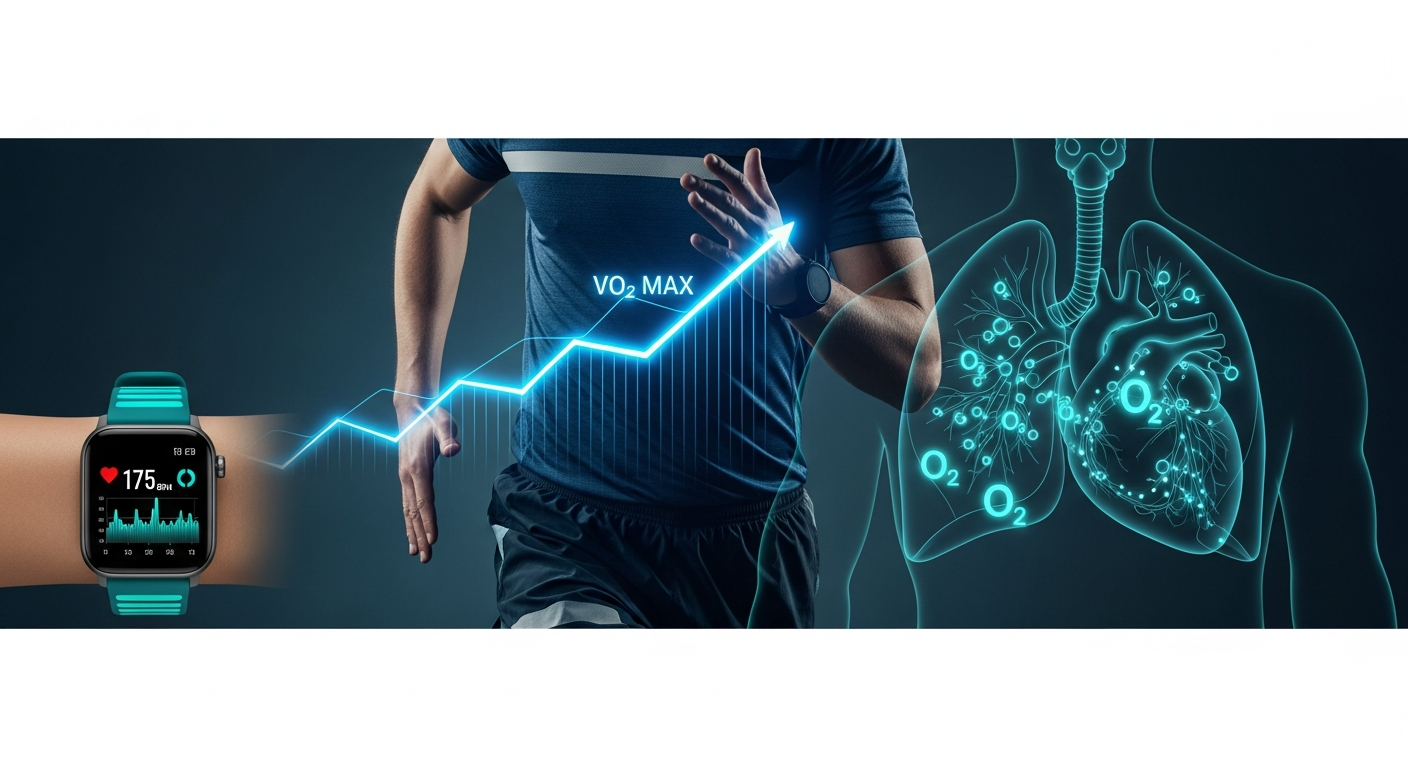
Low cardiorespiratory fitness kills more people than smoking. VO2 max predicts all-cause mortality better than blood pressure, cholesterol, or diabetes status. Here's how to measure and improve it.

Evidence-Based Supplements for Metabolic Health: What the Research Actually Shows
Most supplements have weak evidence. Psyllium husk, beet juice, magnesium, and Ceylon cinnamon have rigorous clinical trial data. Learn what works, what doesn't, and why.
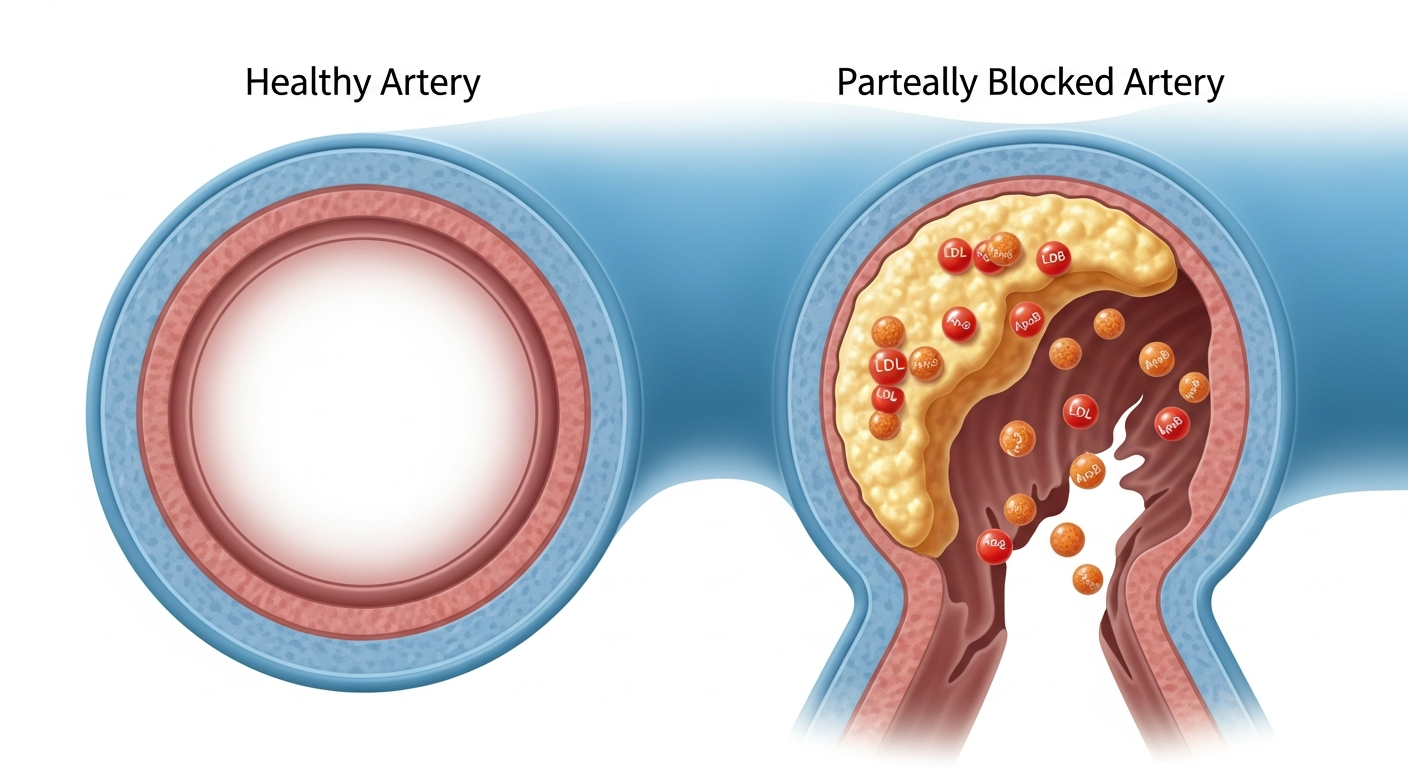
Standard LDL cholesterol misses half of all cardiovascular events. ApoB measures the actual number of artery-clogging particles. Learn why it matters and what your numbers mean.
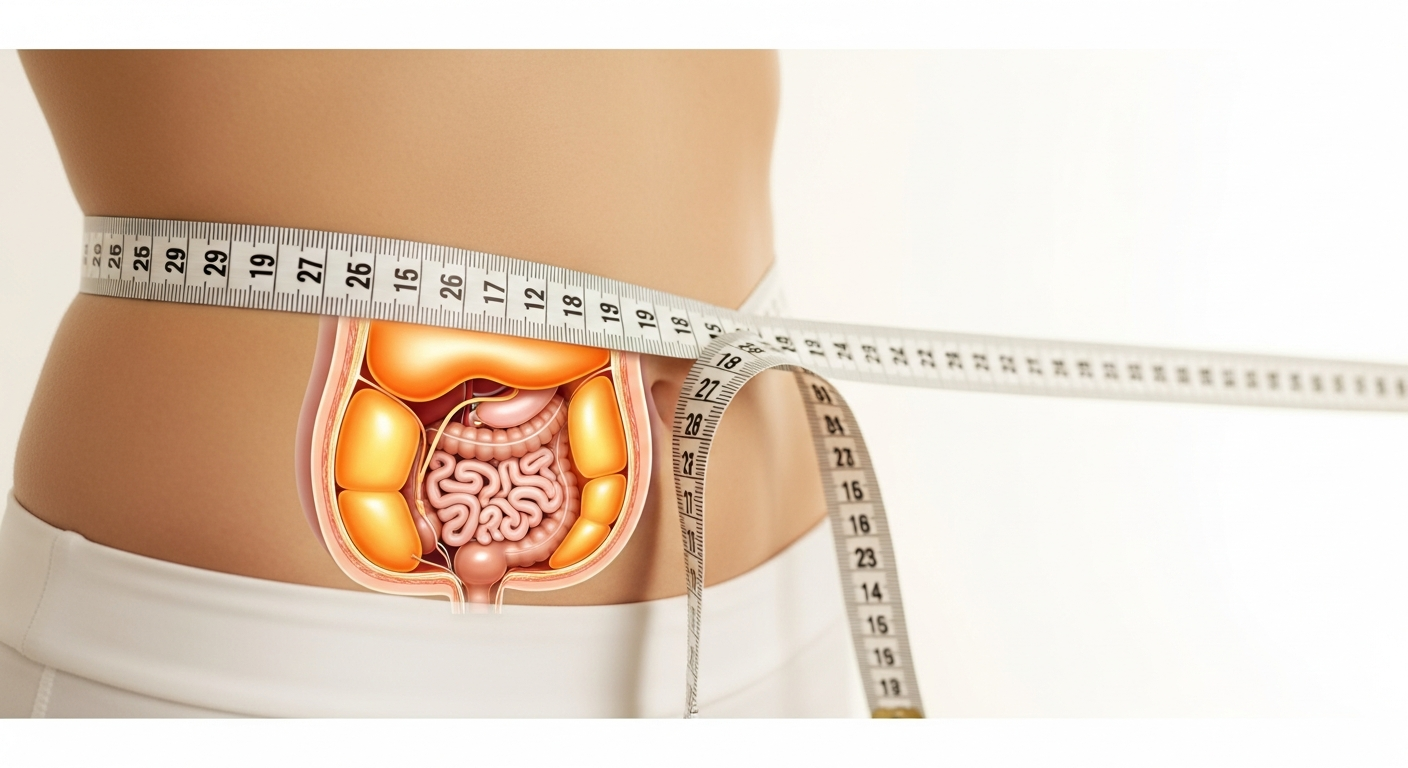
Your weight doesn't predict disease risk — your waist-to-height ratio does. Learn the science of visceral fat, why it's dangerous, and how to measure what actually matters.
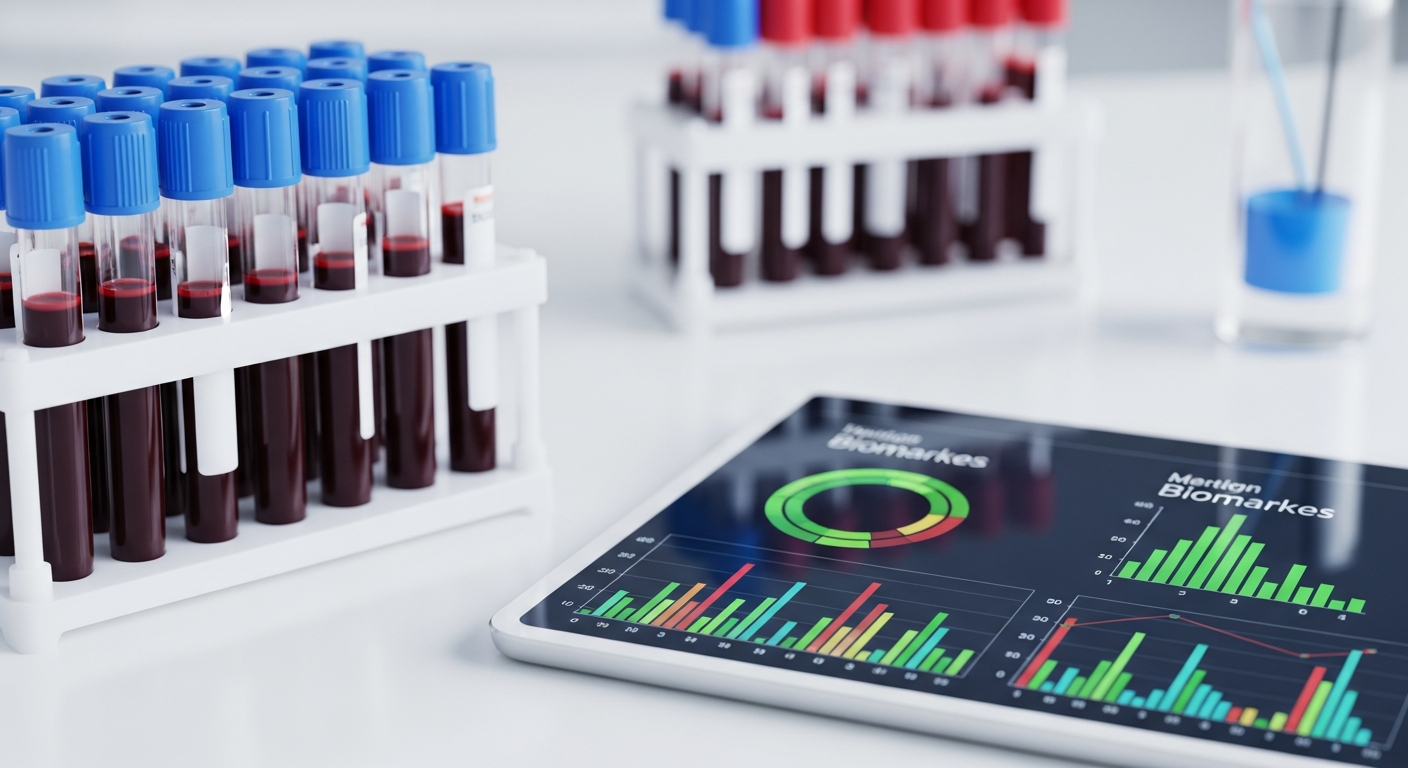
Standard blood panels miss the markers that predict disease decades early. Here are the 12 critical biomarkers across metabolic energy, cardiovascular flow, and cellular aging — with optimal ranges and how to improve each.
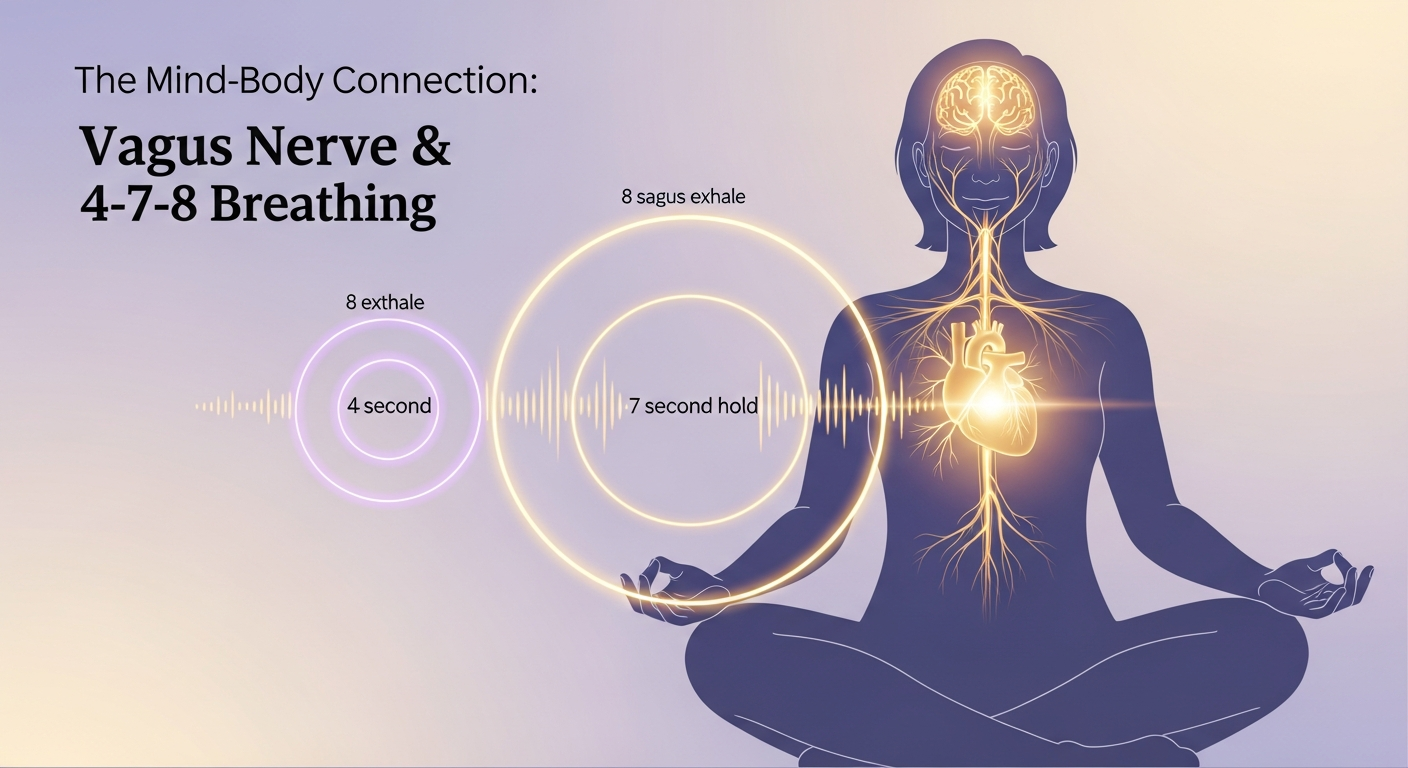
Slow breathing at 4-6 breaths per minute activates the vagus nerve and measurably reduces cortisol, blood pressure, and inflammation. Learn the physiology and how to do it correctly.
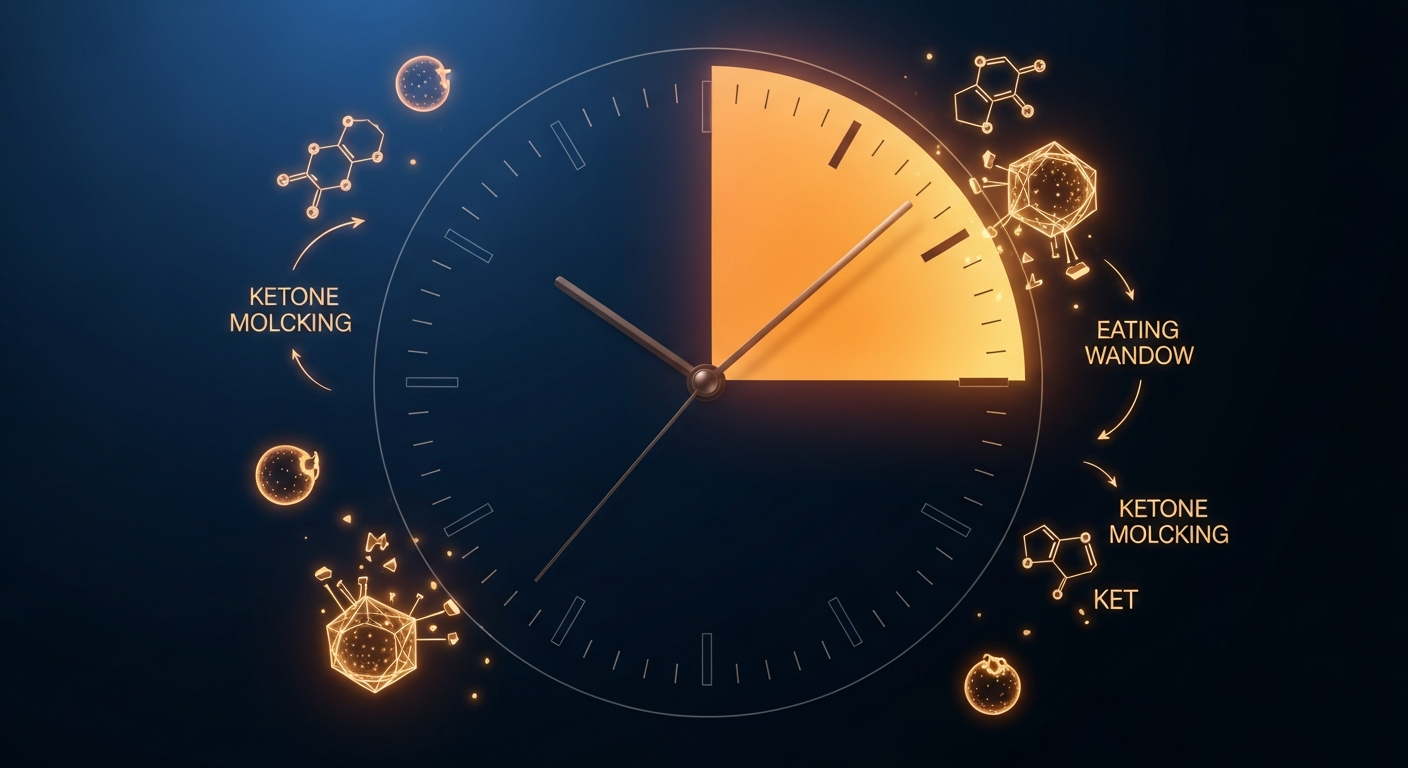
Learn how intermittent fasting flips your body from burning glucose to burning fat. Covers the metabolic switch, autophagy, ketones, and how to find the right fasting window for your body.
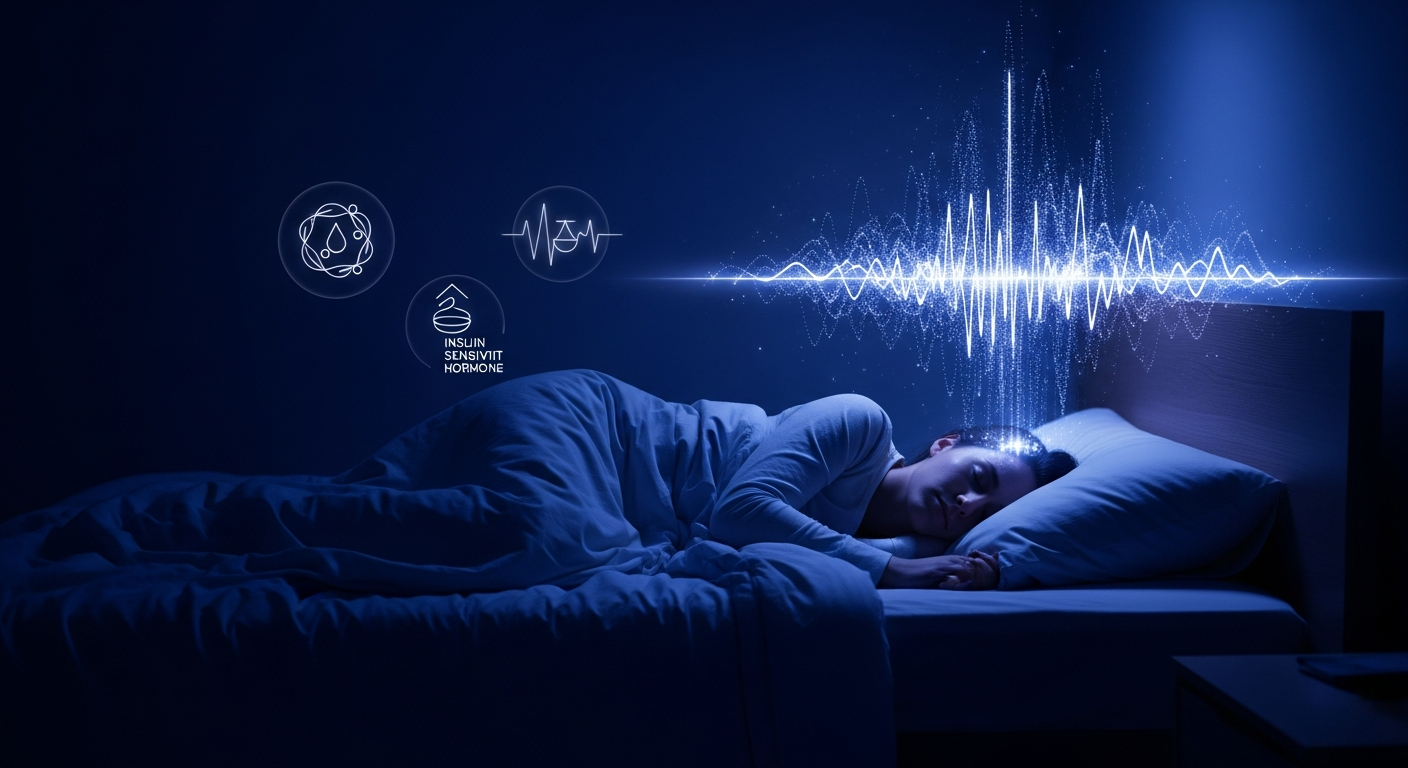
One week of 5-hour nights causes insulin resistance equal to 20 pounds of weight gain. Learn the science linking deep sleep to metabolic health and evidence-based protocols to fix it.
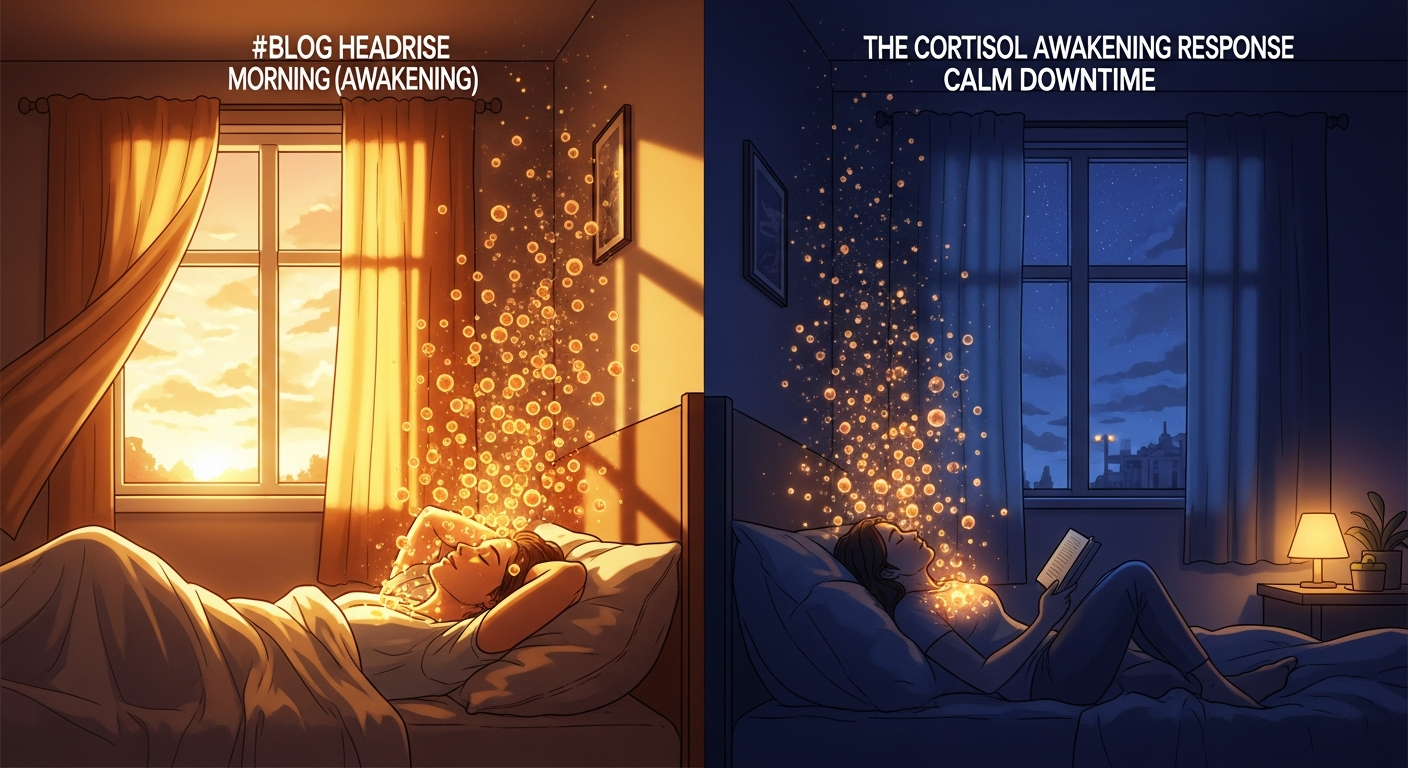
Chronic stress doesn't just feel bad — it physically reshapes your body. Learn how cortisol dysregulation drives visceral fat accumulation and how to reset your stress hormone rhythm.

A 10-minute nasal-breathing morning walk produces measurable reductions in blood pressure and systemic inflammation. Here's the physiology behind why it works and how to do it correctly.